The Roy Howard Community Journalism Center’s “What Is True?” team investigated a social media post claiming you can get an infection from donating blood.
Result: This claim is false.
Unfounded claims about the dangers of blood donation or misunderstandings of donor rules can significantly affect the emergency blood supply. To see how RHCJC researchers break down these myths, read the rest of the fact check below:
Medical experts agree that donating blood through certified clinics is extremely safe. These federally monitored clinics use sterile, single-use needles and supplies for every donor and follow appropriate biohazard disposal protocols. There is very little risk of contracting an infectious disease from donating blood.
According to the World Health Organization, most myths are less about the science and more about how people perceive risk, the body and medical systems.
“The common excuse we receive for why someone can’t or won’t donate is because they are afraid of needles,” said Barley Juarez, regional communications manager for Vitalant.
Other common myths include the following:
Myth: Blood donation is very painful.
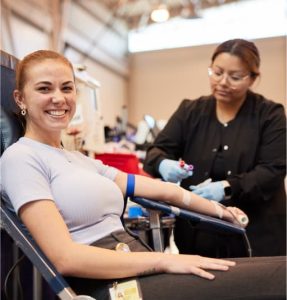
Fact: Blood donation is a quick and generally painless procedure. A small needle is inserted into a vein, which may cause a brief pinch, and then most donors don’t feel anything as blood is drawn from the body. The process occurs at a controlled, natural flow, similar to how blood moves through the body with each heartbeat.
Myth: I won’t have enough blood after donating.
Fact: The average adult has about 10 to 12 pints of blood. A standard whole-blood donation collects about 1 pint. The body begins replenishing fluids almost immediately and typically replaces the donated volume within 24 to 48 hours.
Myth: I can’t donate if I’m on medication, have a tattoo or piercings, have traveled, or have been sick.
Fact: Not all medications prevent donation. While some medications may require a temporary deferral because of their effects on blood components, many do not. A health questionnaire helps determine eligibility, and there are clear guidelines on which medications may require waiting periods.
Myths that you can’t donate blood because of tattoos, piercings, previous cancers, where you’ve traveled, heart disease, high blood pressure, diabetes or your sexual orientation are also false.
Safety protocols are based on physiology to ensure proper collection and donor well-being. To meet demand, blood centers are always working toward more inclusive systems while maintaining FDA safety requirements.
“When you give blood, you have the power to help patients right here in your community,” Juarez said. “Every two seconds, someone relies on the blood already on the shelves for their lifesaving care. Donors of all blood types are constantly needed. This simple, selfless act truly saves lives.”
About “What Is True?”
The RHCJC “What Is True?” team of graduate investigators examines everything from viral online posts to local community rumors. If you have a question, submit it to the “What Is True?” inquiry form on the RHCJC website or call 855-IS-IT-TRU (855-474-8878).