The Roy Howard Community Journalism Center’s “What Is True?” team investigated social media posts claiming honey made from azalea nectar could be toxic to humans.
RESULTS: This claim is true.
Azaleas are part of the rhododendron genus, which can contain naturally occurring neurotoxins found in nectar and pollen. However, Mississippians don’t need to worry about the little bush in their yards. Honeybees in southern Mississippi would have to collect large amounts of nectar for that toxin to end up in their honey. To learn more, read the full fact check below.
The disease caused by eating this contaminated honey is known as “mad honey disease.” It can cause dizziness, vomiting, low heart rate and low blood pressure in people who eat it.
Honeybees prefer other sources of nectar. Experts say Mississippi bees forage across thousands of acres and many plant types, which dilutes the toxins to harmless levels, making toxic honey production here extremely unlikely. There have been unconfirmed cases of “mad honey” in Mississippi, and the rare cases occurring in the U.S. have come from the consumption of honey imported from dense, wild rhododendron
regions such as the Black Sea area of Turkey.
Historically, this area was the site of the first records of “mad honey.” In 401 B.C., Greek historian Xenophon wrote that soldiers collapsed after eating honey produced from rhododendron nectar near the Black Sea.
Later, enemies intentionally used this honey to weaken invading armies, making mad honey one of the earliest known examples of chemical warfare.
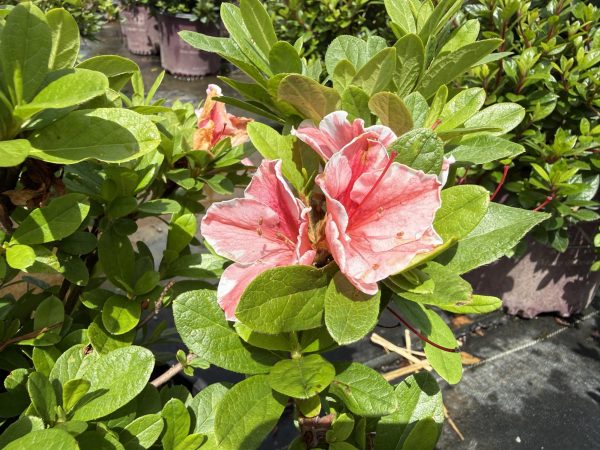
Azaleas themselves can be toxic if eaten directly by pets or people, but those cases are uncommon and usually accidental. The symptoms of poisoning from ingesting azaleas are similar to those of mad honey.
Azaleas may sound alarming online, but in real-world Mississippi conditions, the risks are limited. So Mississippians can enjoy azaleas as a beautiful part of the local landscape.
About “What Is True?”
The RHCJC “What Is True?” team of graduate investigators examines everything from viral online posts to local community rumors. If you have a question, submit it to the “What Is True?” inquiry form on the RHCJC website or call 855-IS-IT-TRU (855-474-8878).