Key Points
- In 2025, the Mardi Gras Cleanup Krewe with Mississippi Coastal Cleanup collected nearly 462 pounds of trash after a parade along the Mississippi Gulf Coast.
- Plastic beads made up 255 pounds of the total trash collected during the 2025 cleanup effort.
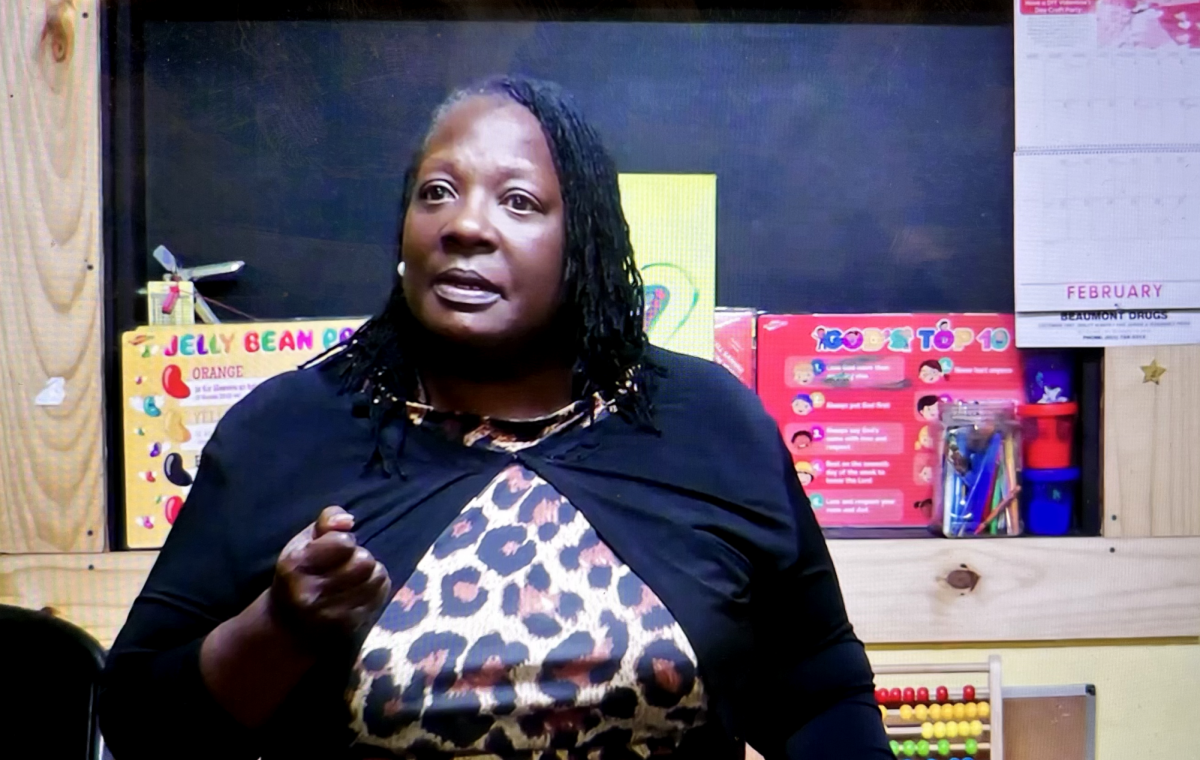
- Evelyn McQueen of Mississippi State University Coastal Research and Extension Center said parade litter can harm wildlife and break down into microplastics that may enter drinking water supplies.
- McQueen encourages paradegoers to recycle beads at the Mississippi Aquarium in Gulfport to support cleanup efforts.
BILOXI — As Mardi Gras approaches, communities across the Mississippi Gulf Coast are lining the streets for parades and celebrations tied to the long-standing tradition. But once the floats roll by and crowds disperse, environmental advocates say the debris left behind can pose lasting environmental concerns.
In 2025, the Mardi Gras Cleanup Krewe with Mississippi Coastal Cleanup collected nearly 462 pounds of trash following a parade along the coast. Plastic beads alone accounted for 255 pounds of that total. While the amount was significantly lower than in 2020 — when volunteers removed nearly 3 tons of beads — cleanup organizers say the waste remains a recurring problem.
If the trash and debris isn’t removed, it would likely end up in coastal waterways, according to Evelyn McQueen, extension associate and education coordinator for Mississippi State University Coastal Research and Extension Center.
McQueen said parade litter can become a choking hazard for wildlife, break down into microplastics and eventually enter drinking water supplies.
Volunteer cleanups help address the immediate mess, she said, but do little to solve the larger issue without community support.
“We can clean up every single day,” she said. “But if no one changes their behavior, it’s just going to keep coming back.”
McQueen said prevention is key to protecting coastal waterways, explaining that parade trash like plastic bags, beads and candy wrappers enter through storm drains — systems that bypass the filters that support sewer systems.
“Most people don’t know, (what goes into storm drains doesn’t) actually go through the sewer system and then get cleaned,” she said. “(It) comes out of those outfalls, those big pipes going out into the sound — that’s where a lot of that goes.”
McQueen said prevention efforts, like increased access to trash cans, are necessary to reduce the amount of parade-related litter. She also encourages those in parades to opt for reusable or biodegradable items.
“We can clean up every day, all day, and there’s going to continue to be trash unless people stop throwing their trash out,” she said.
McQueen encourages paradegoers can support cleanup efforts by recycling beads at the Mississippi Aquarium in Gulfport.