Key Points
- Most unsold consumer fireworks are stored for the next selling season, and some retailers may be able to return unsold stock to wholesalers.
- Retailers inspect fireworks for damage after the selling season, repairing minor label issues but removing significantly damaged products from inventory.
- Mississippi law allows fireworks sales only during June 15–July 5 and December 5–January 2, and requires off-season storage in permanent facilities with safety signage.
- Fire officials recommend homeowners do not store unused fireworks at home and advise soaking unused fireworks in water before discarding them.
- The U.S. Consumer Product Safety Commission reported at least 15 deaths and an estimated 13,000 fireworks-related injuries nationwide in 2025.
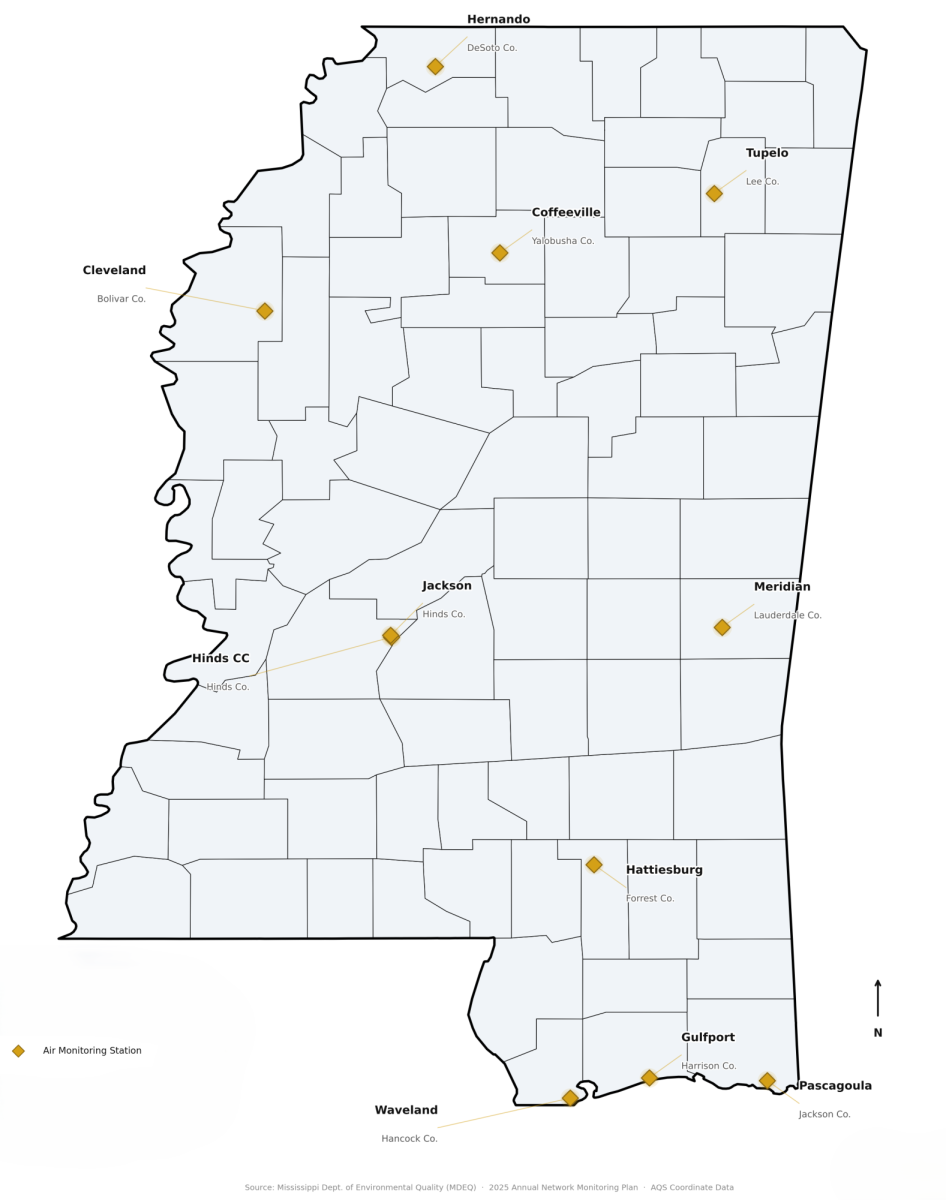
FORREST COUNTY — When the Fourth of July fireworks end, the next phase begins for retailers and fire officials: storing unsold inventory and promoting the safe disposal of leftover fireworks.
Most unsold consumer fireworks are stored for the next selling season rather than discarded, according to local fireworks retailer Brandon Bullock. Depending on the wholesaler, some retailers may also be able to return unsold inventory after the selling season ends.
Bullock said properly stored consumer fireworks do not have an expiration date.

“As long as you take responsible care of it, keep it safe, dry, it’ll last forever,” Bullock said.
Before fireworks are stored, retailers inspect inventory for damage caused during the busy selling season. Bullock said products are most often damaged on July 3 and 4, when customers frequently handle merchandise.
Minor damage to labels or packaging can sometimes be repaired if the firework itself remains intact. Fireworks with more significant damage are removed from inventory and are not sold.
“We don’t sell anything that’s damaged. It’s way too unsafe,” Bullock said.
After inventory is sorted, retailers store fireworks in climate-controlled warehouses, trailers or other permanent storage facilities until the next selling season.
Mississippi law allows temporary consumer fireworks tents and stands to sell fireworks only during two seasonal periods: June 15 through July 5 and Dec. 5 through Jan. 2. Between those seasons, fireworks intended for future retail sale must be stored in permanent structures rather than temporary stands. Storage facilities are also required to display warning signs prohibiting smoking and open flames.
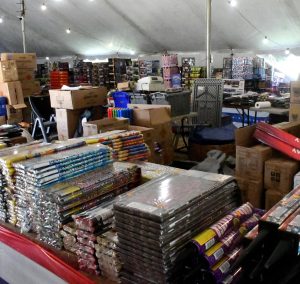
Temporary consumer fireworks stands are regulated by the county or municipality where they are located, according to the Mississippi Insurance Department. Local governments issue permits and enforce local requirements, while the State Fire Marshal‘s Office oversees permitted pyrotechnic displays on state-owned property. The department also advises consumers to check local ordinances before using fireworks because some cities prohibit consumer fireworks within city limits.
While retailers may safely store fireworks in controlled commercial facilities, Forrest County Fire Coordinator Bo Murphy said homeowners should not keep leftover fireworks from one year to the next because improper storage can increase the risk of malfunction.
Murphy said fireworks should be soaked thoroughly in water before being discarded if they are not used.
According to the U.S. Consumer Product Safety Commission, fireworks misuse and malfunction were linked to at least 15 deaths and an estimated 13,000 emergency department-treated injuries nationwide in 2025, including about 1,300 injuries involving sparklers.
Murphy said fireworks should always be treated with caution because they are explosive.
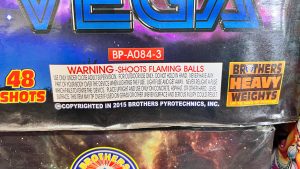
“I’ve seen situations where they’re doing everything right, and they still just blow up,” Murphy said.
Around the Fourth of July, Murphy said local fire departments typically respond to grass fires, vehicle fires, house fires and fireworks-related injuries.
He recommends using fireworks only in large, open areas on level ground away from homes, dry grass and trees. Users should keep a hose, bucket of water or fire extinguisher nearby, follow the manufacturer’s instructions, and never carry fireworks in their pockets, point them at people or attempt to light fireworks that fail to ignite. Instead, malfunctioning fireworks should be soaked in water before being discarded.
Murphy also encouraged consumers to buy fireworks from reputable retailers, read warning labels and ask questions if they are unsure how a product should be used. Those recommendations mirror guidance issued by the Mississippi State Fire Marshal’s Office ahead of the Independence Day holiday.
“They’re beautiful when they’re working right and in the right hands,” Murphy said. “But they are dangerous.”