Key Points
- The Pearl River County SPCA is currently operating over capacity, with multiple dogs sharing kennels according to shelter staff and volunteers.
- Cisco, a dog who arrived at the shelter at four months old, was euthanized on June 11, after being returned post-adoption for aggression toward another dog.
- Mississippi has the highest animal shelter euthanasia rate in the country at 18.3%, compared to a national average of about 5%, according to Best Friends Animal Society data.
- The Pearl River County SPCA achieved no-kill status in 2025, meaning at least 90% of animals left via adoption, transfer, return to owner, or other live outcomes.
- The shelter previously ended its spay-and-neuter assistance program due to financial constraints and encourages monthly donations to help offset expenses.
PEARL RIVER COUNTY — Cisco spent most of his short life waiting for a home.
He arrived at the Pearl River County Society for the Prevention of Cruelty to Animals when he was about 4 months old. After months in the shelter, he was adopted but returned a week later after becoming aggressive toward another dog in the household, according to shelter staff.
On June 11, Cisco was euthanized before reaching his first birthday, a decision volunteers say reflected the difficult realities facing overcrowded shelters.
For volunteers at the Pearl River County SPCA, his case reflects a larger challenge facing animal shelters across Mississippi as pet overpopulation continues to strain resources.
According to animal welfare data compiled by Best Friends Animal Society, Mississippi has the highest animal shelter euthanasia rate in the nation — 18.3%, compared with a national average of about 5%.
Shelter officials said facilities operating above capacity are often forced to make difficult decisions about long-term care.
“What’s going on in the sheltering world can’t be fixed inside the shelter,” said Lauren Fitts, president of the Pearl River County SPCA. “It’s got to be fixed with spaying and neutering. We don’t have enough homes for the animals that we have.”
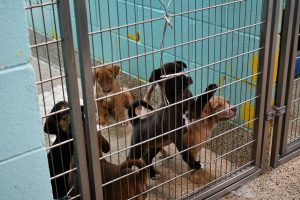
The shelter is currently over capacity, with multiple dogs sharing kennels, according to volunteer Donna Lowe.
“We can’t devote one kennel to one dog for an indefinite amount of time,” she said. “It’s just not fair to the other animals in our care.”
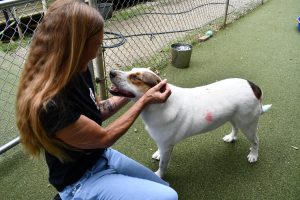
Lowe said Cisco’s euthanasia was especially difficult for staff and volunteers.
“Cisco was one of my favorites,” she said. “I actually sponsored his adoption fee in hopes that that would help.”
Despite the challenges, shelter officials say they have improved outcomes for animals in their care. The Pearl River County SPCA achieved no-kill status in 2025, meaning at least 90% of animals left through adoption, transfer, return to owner or other live outcomes.
According to the ASPCA, about 5.8 million pets entered U.S. shelters last year. Roughly 4.2 million were adopted, while nearly 600,000 were euthanized.
Fitts said fostering can provide immediate relief by opening kennel space. The shelter provides food, supplies and medical care for foster animals.
“Fostering is a big one and an immediate help,” Fitts said. “Long term, though, it’s going to be spaying and neutering.”

The shelter previously operated a spay-and-neuter assistance program but ended it because of financial constraints.
“We’ve been operating in the red as an organization. Our expenses are exceeding our income,” Fitts said. “We could no longer afford to subsidize the grant or the coupon program when there weren’t grants to fund that any longer.”
Fitts said the shelter is encouraging supporters to participate in monthly giving programs to help offset expenses.
In the meantime, Lowe encourages pet owners to take advantage of low-cost sterilization programs and supports stronger enforcement of local pet registration ordinances that offer reduced fees for spayed and neutered animals.
“You have to celebrate the ones that are able to get out and get a better life,” she said.
With the shelter operating above capacity, officials say fostering and adoption remain among the most immediate ways residents can help.