Key Points
- Kamp Joy, founded in 2006 by Tina Brown in Perry County, helps children recognize emotions, cope with trauma, and build resilience.
- The camp began after Hurricane Katrina and now serves about 30 to 60 children each year at its Forest Lake Road location in Beaumont.
- Kamp Joy operates year-round, offering a daily school program from September through May, as well as summer camps, with families paying a $25 enrollment fee and weekly tuition.
- The organization relies on community support and has received donations from local churches and assistance from Greene County and Perry County boards of supervisors.
- Kamp Joy has expanded to include adult sessions and plans to further grow to better serve children with disabilities in the future.
BEAUMONT — A Perry County program designed to help children understand and manage their emotions is quietly marking two decades of service in south Mississippi.
Kamp Joy, founded in 2006 by Tina Brown, focuses on teaching children how to recognize their emotions, cope with trauma and build resilience.

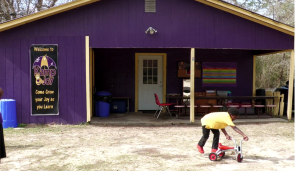
The program began after Hurricane Katrina, when many families in the region were struggling with loss and uncertainty. Brown said the camp now serves about 30 to 60 children each year at its location on Forest Lake Road in Beaumont.
Mental health experts say programs like Kamp Joy can help fill a growing need. According to the University of Mississippi Medical Center, teens in Mississippi are experiencing increasing rates of depression, anxiety and post-traumatic stress disorder.
Brown said her goal is to help young people develop emotional tools that many adults never learned.
Turning pain into purpose
Brown said her passion for emotional education began during her childhood.
At 13, she struggled to process grief after her father died by suicide.
“At 13, I’m searching in my school, in my faith-based organization, in my community, in my home. Why isn’t anyone teaching me how to handle these emotions? Why isn’t anyone helping me identify them?” Brown said. “I was very angry at 13 about my father committing suicide.”
Those experiences shaped how she approached her work with children.
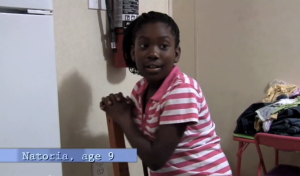
After Hurricane Katrina struck the Gulf Coast in 2005, Brown said she wanted to help children recover from trauma similar to what she had experienced growing up.
She began delivering food to elderly residents in the days after the storm. At the time, she was working as a teacher with the Singing River Education Association Head Start program.
Soon after, a professor at The University of Southern Mississippi, Pam Mottley Myrick, recommended Brown for a pilot program studying how children recover after traumatic events.
Brown selected five students from her classroom to participate.
She later traveled to Boston with other educators for training led by Life is Good Playmakers, a program that teaches adults how to help children process trauma through play-based learning.
The training focused on helping young people cope with stress and adversity following disasters like Hurricane Katrina.
Impact on families
Chasity Blakely Turner of McClain said she has seen the program grow since its early days.
Turner said she first attended Kamp Joy as a child and later volunteered and worked at the camp.
“Miss Brown was basically running what she now calls Kamp Joy as like a little group for children out of her home,” Turner said. “She would, you know, try to teach us life skills then.”
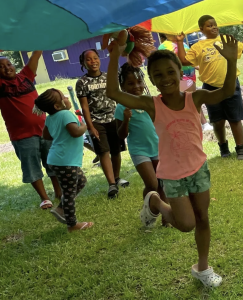
Today, Turner’s child attends the camp.
“I feel like Kamp Joy helped me in so many ways, just going throughout life, how to deal with emotions, how to cope with things and how to just accept what I was dealing with instead of just, you know, using other things outside of what God has graced us with to deal with anything in life,” Turner said.
Turner said emotional control is a skill she now sees from another perspective in her job.
She said she works at a local prison and often sees the consequences when people struggle with impulse control.
“The smallest thing — if impulse control is not used, it’s not implemented in their life — it could be one mistake, and it lands you in there,” Turner said.
Teaching emotional regulation
Brown said Kamp Joy focuses on helping children identify emotions and respond to challenges in healthy ways.
The camp operates year-round and now includes both educational programming and seasonal camps.
A daily school program runs from September through May, from 8 a.m. to 2:30 p.m. Brown said the program started during the COVID-19 pandemic when parents were looking for smaller learning environments for their children.
The organization also offers a summer camp program focused on emotional management and personal development.
Families pay a $25 enrollment fee and weekly tuition, Brown said. The program does not receive state or federal funding.
Instead, Kamp Joy relies on community support. Brown said the camp has received donations from local churches and support from the Greene County and Perry County boards of supervisors.
Greene County resident Salina Barnes said the camp helped her son handle a bullying situation.
“Camp Joy told me to just walk away and don’t worry about it,” Barnes said. “So at that moment, I knew it was making a difference because sometimes children react in a different way, but he never reacted to any of those situations.”
Barnes said she still sees the program’s impact years later.
“My heart just gets warm when I see them still thriving, still having fun at Kamp Joy and to hear my kids still talk about Kamp Joy at the ages they are now — that Kamp Joy taught us this, Kamp Joy taught us that — so they still carry that with them now in their adult years,” Barnes said.
Brown said the program has also expanded to include adult sessions focused on emotional awareness and coping strategies.
Looking ahead
Brown said she hopes to expand the program in the coming years to better serve children with disabilities.
She said the idea came from a conversation with her sister.
“I have a sister with some challenges,” Brown said. “She said, you know, people like me with disabilities. She said there is nothing for us. We’re left out.”
Brown said the goal is to create a space where every child feels included and supported.
“With the help of the community,” Brown said, “we can continue teaching children and young adults how to manage conflict and understand their emotions.”