Key Points
- New Augusta is moving forward with a $450,000 sewer system upgrade to address sewage backups caused by the town’s 1940s-era infrastructure.
- The project, funded through a Community Development Block Grant, will replace key components such as the lagoon lift station and an underground sewer force main.
- Mayor Steve Spicer said upgrades have previously occurred only in sections when funding allowed, but the entire system needs modernization.
- Crews plan to install the lift station first, causing only a brief service interruption, with completion expected around April 1.
- Town leaders are seeking additional grant funding to continue repairing other sections of sewer lines installed in the 1940s.
NEW AUGUSTA — After decades of patchwork repairs, New Augusta is moving forward with a $450,000 sewer system upgrade aimed at preventing sewage backups in homes and businesses, a long-standing issue tied to the town’s aging 1940s-era infrastructure.
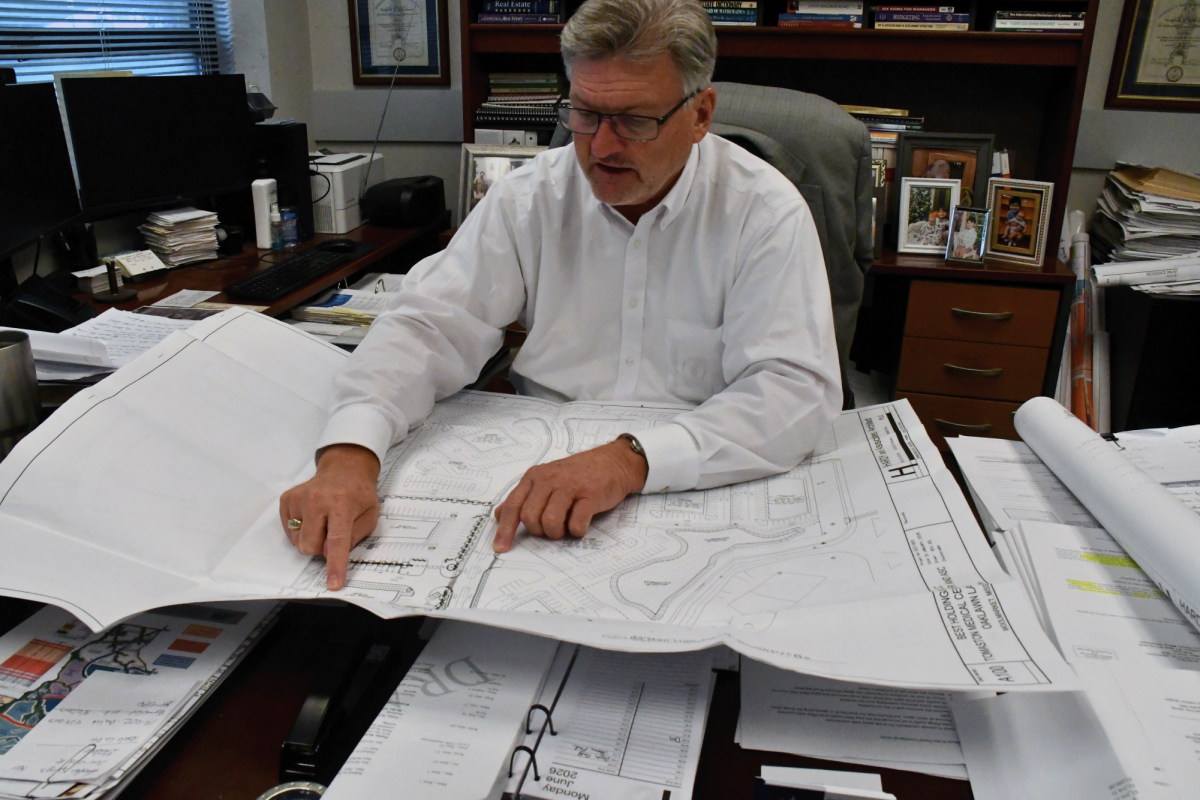
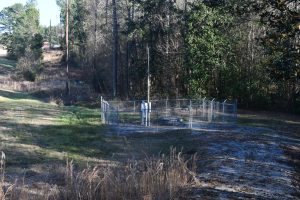
Funded through a Community Development Block Grant, the project will replace key components of the system, including the lagoon lift station and an underground sewer force main, to improve how wastewater flows through town.
“It kind of all needs to be updated,” said Mayor Steve Spicer. “We’ve been updating just sections at a time when we could get the grant or money to do so.”
Health, environmental concerns rise
County water and wastewater operator Scott Extine said they’ve had problems over the years like sewage blockages and overflows. Crews have routinely cleared lines to keep wastewater moving.
“It’s gravity-fed right now,” Extine said. “We’re actually going to set a big lift station and going to pump it into the lagoon instead of (having it) gravity-fed.”

Spicer said occasional underground collapses have occurred but have not affected public safety.
Still, local plumber Joel Garner said when aging infrastructure fails, the consequences can escalate quickly.
“When the infrastructure that’s there now fails, you’re going to have to play in all the sewer,” Garner said. “When you dig it up … all the (sewage) is going to fill up all the holes in ditches and everything where it’s all backing up. It’s a major issue.”
Failing sewer lines threaten homes and public buildings
Garner said he has seen the impact firsthand in New Augusta’s schools, where crews had to jackhammer concrete floors to replace broken lines — a costly and disruptive process that often addresses the currently damaged section instead of fixing the broader problem.
He said decades-old sewer lines often fill with sludge, debris and tree roots. He said repeated failures put pressure on plumbers, wastewater crews and property owners.
“I don’t think there is anybody in the world that wants to (deal with) that kind of stuff — feces and sewer water,” Garner said. “It a major issue for the plumber.”
Garner said replacing larger portions of the system, as the town plans to do, is more beneficial in the long run than continuing to make piecemeal repairs.
If the aging systems are not replaced, Garner said homeowners face greater risk.
“It’s going to back up into their houses,” Garner said. “It’s going to contaminate their houses … going to get on everything when it backs up.”
Next steps
Extine said crews will install the lift station first, which will cause brief service interruptions.
“All we’ll have is the sewer main down like a day,” he said. “It’s just going to back up a little bit, but not into anybody’s house, and we’ll be able to lay that line to the lift station and turn it (on).”
Crews expect the project to be completed around April 1. Spicer said town leaders are already looking for funding for the next upgrades.
“We’re actually going to be working on another grant pretty soon to try to prepare some more of the sewer lines that, you know, was put in in the 40s,” Spicer said.