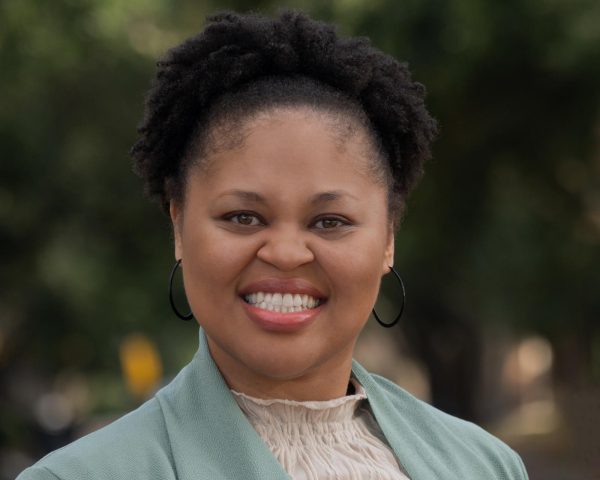
MISSISSIPPI — One year ago, the Roy Howard Community Journalism Center opened its doors with a clear purpose: to report what matters, to serve communities that are too often overlooked, and to prepare the next generation of journalists to do this work with integrity, curiosity and care. That purpose has guided every decision, deadline and conversation since. What we could not fully anticipate then was just how much growth, learning and collective resolve this first year would require or how deeply it would affirm why this center exists.
From day one, the RHCJC was never just about producing stories. It was about building trust. It was about showing students what community-centered journalism looks like in practice, not theory. It was about meeting Southeast Mississippi where it is — listening first, reporting responsibly and staying rooted in the people and places we serve.
Building from the ground up
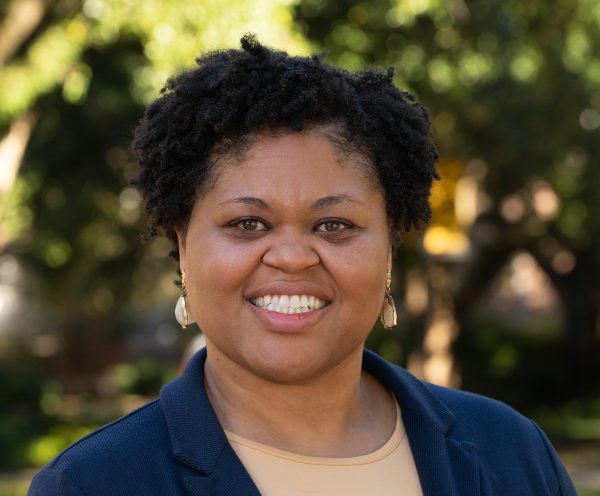
The first year of any new initiative is equal parts vision and reality. For our staff and students, that meant building systems while producing content, learning workflows, meeting deadlines and defining our voice while ensuring accuracy and fairness in every piece we published.
We launched on January 6, 2025 with a small but determined team, knowing that the work ahead would be ambitious. Over the past year, we have grown our reporting footprint across our 10-county coverage area, expanded our storytelling across platforms and created opportunities for students to contribute in meaningful, professional ways — from pitching and reporting to editing, producing and audience engagement.
Along the way, we marked milestones that once felt aspirational: our first published stories, our first broadcast packages, our first multi-platform collaborations and our first major audience impact moments. Each milestone mattered, not because of the number attached to it, but because it represented learning, confidence and progress.
Students at the center of the work
At the heart of the RHCJC is our students. This year, they reported on issues that affect real people in real communities: local government, education, public safety, economic development, health access and cultural life. They learned how to ask better questions, verify information, meet ethical standards and navigate the responsibility that comes with telling someone else’s story.
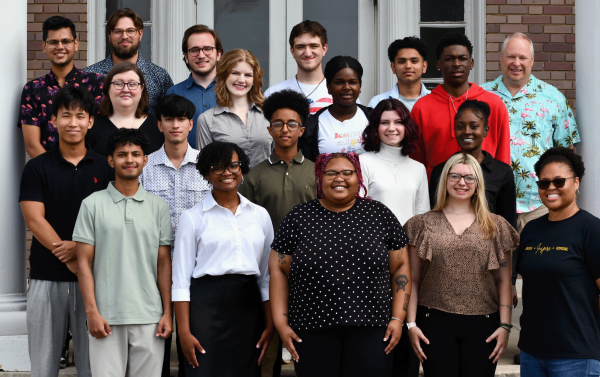
They also learned resilience. Not every pitch was approved. Not every interview went as planned. Deadlines shifted, stories evolved and feedback was sometimes tough but always constructive. Watching students grow from tentative reporters into confident storytellers has been one of the most rewarding parts of this year.
Beyond reporting, students gained exposure to the realities of the industry: collaboration, accountability and adaptability. Many balanced coursework, jobs and life responsibilities while still showing up for this work, week after week. That commitment deserves recognition.
Stories that defined us
Some of the most powerful moments of our first year came through the stories themselves — projects that reminded us why this work matters and what is possible when students are trusted with meaningful reporting.
One story that exemplifies the depth and humanity of our reporting this year was published in August when our team covered “I got my life back”: Mississippi man uses brain implant to regain independence.” In this report, RHCJC students brought to light the journey of RJ Tanner, a George County resident paralyzed from the neck down after a motorcycle crash, who became one of the first people in the world to receive a Neuralink brain-computer interface. Through careful, on-the-ground reporting, the story captured not only a technological breakthrough, but the emotional reality of regaining independence and dignity.
Another defining narrative unfolded in Poplarville, where our students followed the long and often frustrating wait for a permanent city post office. In “Poplarville’s long-overdue wait for a city post office is over,” our team documented how residents navigated years of temporary service after the historic downtown post office closed, highlighting how the loss of a basic institution disrupted daily life. Importantly, the reporting did not end
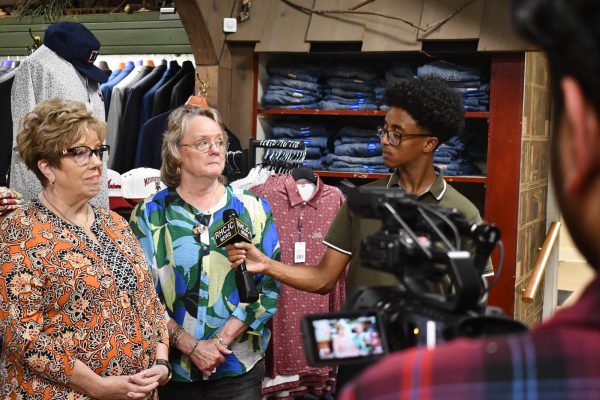
there. In a follow-up story, “USPS delivered Poplarville false promises on post office plans, residents say,” students returned to the community to amplify growing frustration over delays and unmet expectations — demonstrating the importance of persistence, accountability and staying with a story beyond the headline moment.
Our Gulf seafood labeling series represents another milestone in sustained, impact-driven reporting. Beginning with “Imported vs. Domestic: The fight to protect Gulf seafood,”, students explored how unclear labeling practices harmed Gulf shrimpers and confused consumers. That reporting continued as new state laws took effect, examining how businesses adjusted and what enforcement meant on the ground. Most recently, our coverage followed the issue to the national stage, documenting the long-awaited movement on federal seafood labeling laws and the significance of that moment for coastal communities. This ongoing series illustrates how community journalism can connect local voices to regional, state and national conversations and help illuminate pathways to real change.
Milestones worth celebrating
In just one year, RHCJC reached several meaningful milestones that reflect both the scale of our work and the depth of our impact:
- 47 high school, community college and university students employed at RHCJC over three semesters, gaining hands-on newsroom experience.
- More than 200 stories reported across our 10-county coverage area.
- Partnerships with more than 60 print, broadcast and digital media organizations across Mississippi and surrounding states to extend the reach of student reporting.
- 14 “Ask Me What Is True?” media literacy trainings, equipping audiences with tools to identify misinformation and build trust in credible news.
- 10 Media Mentors sessions connecting students directly with working journalists and media professionals.
- The launch of our first podcast, Matter of Fact, expanding our storytelling into audio.
- The debut of the Southeast Mississippi Planner, a community-centered resource designed to improve access to local events and information.
- Representation in Washington, D.C., at the International Center for Journalists Awards Dinner, connecting our work to national journalism conversations.
- A radio interview with our students on Good Things with Rebecca Turner on Supertalk FM, highlighting the Center’s mission and impact with a statewide audience.
Each milestone represents collaboration between students, staff, partners and community members who trusted us with their stories.
Challenges that shaped us
This year was not without challenges. Building a new newsroom comes with growing pains. We navigated staffing transitions, evolving workflows and the constant balancing act of doing the work while improving how the work gets done.
We also confronted the realities facing journalism today: misinformation, community skepticism, limited resources and the pressure to move fast while remaining accurate. These challenges pushed us to slow down where it mattered, strengthen our fact-checking processes and recommit to transparency in how and why we report.
Rather than discouraging us, these moments clarified our mission. They reminded us that community journalism is not about perfection. It is about responsibility, reflection, and continuous improvement.
Accountability in action
As our reporting expanded this year, so did our commitment to public accountability — and that commitment was sparked by our students. After attending a presentation on the importance of public records with the Howard Center for Investigative Journalism at Arizona State University, one of our RHCJC student journalists submitted an open records request to the Mississippi Department of Transportation on April 9 seeking bridge inspection records tied to our reporting on the Davis Bayou Bridge in Ocean Springs. When MDOT denied that request, our newsroom filed a formal complaint with the Mississippi Ethics Commission, reinforcing how access to public records is foundational to community reporting and public safety oversight.
After more than eight months of review, a hearing officer for the Mississippi Ethics Commission issued a preliminary report finding that MDOT violated the Mississippi Public Records Act by failing to provide the requested records and recommending that the agency be ordered to comply.
While MDOT did not request a formal hearing, the agency has since filed a response asking the Commission to reconsider how the Public Records Act should be applied to certain records that are also governed by federal highway safety law. The request does not dispute the importance of transparency, but instead raises broader questions about how state and federal statutes intersect when records could later be used in federal litigation. As of this writing, the case remains active, and we are awaiting the Commission’s final decision.
For our students and staff, this experience has been a real-time lesson in accountability journalism: how persistence matters, how transparency laws work in practice and how reporting can extend beyond publication into civic processes that shape public access to information. Regardless of the final outcome, this case underscores why local journalism plays a critical role in asking hard questions — starting with students’ curiosity and following them through.
Gratitude and looking ahead
As we reflect on this first year, we do so with both pride and humility: aware of how much has been accomplished and how much responsibility remains.
None of this would be possible without the dedication of our staff, the energy and openness of our students, the guidance of our partners and the support of those who believe in the importance of local, community-rooted journalism. I am deeply grateful for every person who has contributed time, trust and talent to the center this year.
As we look ahead, our focus remains clear: deepen our community engagement, strengthen student training, expand our storytelling reach and continue building trust through thoughtful, people-centered reporting. The first year laid the foundation. The years ahead will be about growth, innovation and impact.
This anniversary is not an endpoint — it is a marker of momentum. If this first year has shown us anything, it is that when students are empowered, communities are heard and journalism is done with care, meaningful stories follow.
Thank you for being part of our first year. Moving forward, we remain grounded in our commitment to reporting what matters by listening closely, reporting responsibly and continuing to show up for the communities and students who make this work possible.
We are just getting started!