HATTIESBURG — Nearly two weeks after a multi-agency drug operation resulted in 40 arrests across south Mississippi, questions remain about how Mississippi should address a drug crisis that continues to contribute to overdose deaths across the state.
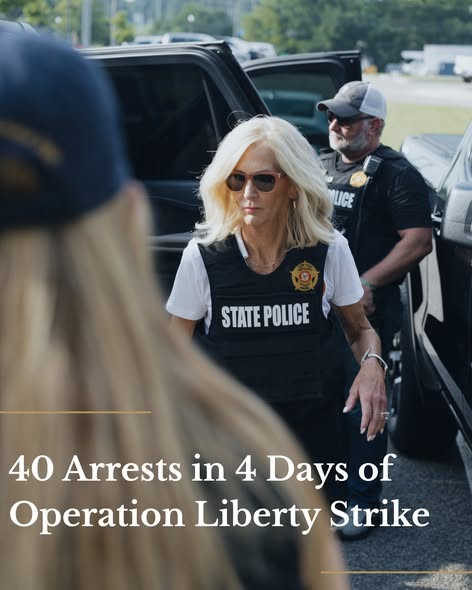
Operation Liberty Strike, announced June 15 by Attorney General Lynn Fitch, resulted in 28 criminal arrests, 12 misdemeanor arrests, and the seizure of fentanyl, methamphetamine, marijuana and firearms during enforcement efforts in Harrison County, Biloxi, Picayune and Lamar County. Authorities also executed six search warrants during the four-day operation.
The operation was conducted by Fitch’s Fentanyl Task Force, which was created in 2023 as part of the state’s One Pill Can Kill public awareness campaign. According to the Attorney General’s Office, more than 800 law enforcement officers have received training related to fentanyl investigations and safe-handling procedures since the task force was established.
“We will not tolerate predators peddling death in our communities,” Fitch said in a statement announcing the operation.
For Forrest County Sheriff Charlie Sims, operations such as Liberty Strike remain necessary. He said drug trafficking networks are not confined to one community.
“It’s wherever the drug dealers think they can make the most money off the addiction of others,” Sims told WDAM.
But some recovery advocates argue enforcement alone cannot reduce addiction.
James Moore, co-owner of Moore’s Bicycle Shop and an advocate in the recovery community, said removing drugs from the streets addresses only part of the problem.
“The best solution is to work with the people who are the consumers, work to get them into treatment, and to try and eliminate the demand for drugs rather than focus on the supply,” Moore said.
The discussion comes as opioid-related overdoses continue to affect Mississippi communities. According to the Mississippi Opioid and Heroin Data Collaborative’s 2024 provisional report, 213 of the 314 suspected overdose deaths reported to the Mississippi Bureau of Narcotics involved opioids.
Moore, whose son died from an overdose in 2015, said reducing stigma and improving access to treatment are critical components of addressing addiction. He said recovery isn’t about a bad person becoming good, it’s about a sick person becoming well.
Moore encourages families to remain engaged with loved ones struggling with substance use disorders and learn about available treatment and recovery resources.
While Operation Liberty Strike removed drugs and firearms from south Mississippi communities, Moore said long-term progress will require both enforcement efforts and expanded access to treatment and recovery services.